Named materials, not adjectives
BWP marine plywood carcasses, natural veneer or PU lacquer systems, tinted and profile glass shutters in slim aluminium frames — each written into the BOQ by grade and system rather than described as premium.
Homeowners searching for luxury interior designers in Hyderabad are usually shown renders first and a specification never. AlcorOne works the other way round: the plywood grade, hardware series, veneer system and finish tolerances are written down and priced before anything is ordered — then the same team that wrote them executes and hands over the work. Preferred project band is ₹30 lakh and above.
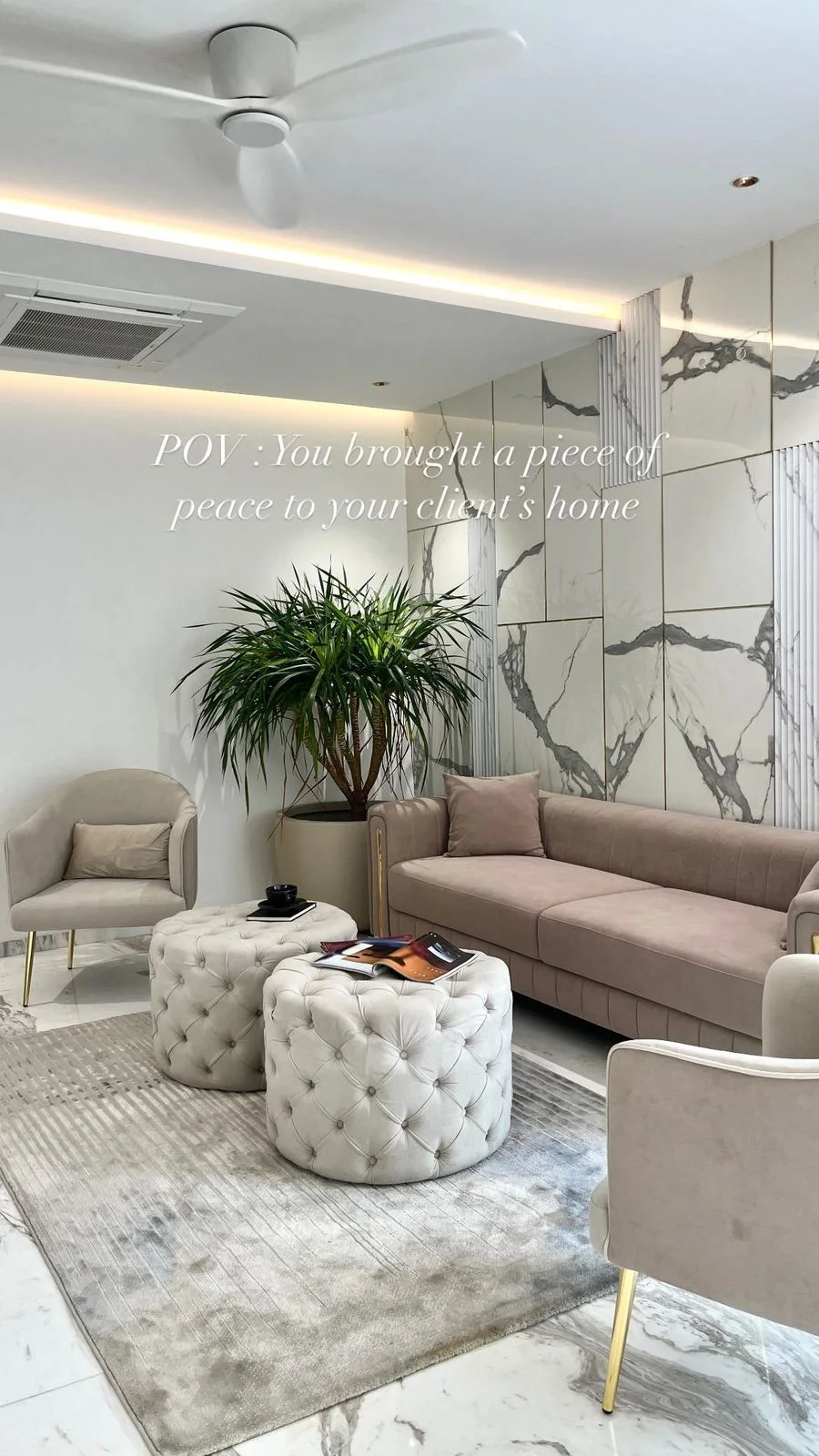

Expensive and premium are not the same thing. One buys costlier materials against a vague scope; the other writes the scope down to a level where the price cannot drift.
The reason two Hyderabad quotations for the same floor plan can differ by more than ₹10 lakh is almost never the design — it is what each quotation declines to name. A premium specification states the plywood grade for every carcass, the hardware brand and series for every drawer and sliding shutter, the veneer or polyurethane system and its coat count, edge-band thickness, the permitted shutter gap tolerance, and the colour temperature of every lighting circuit. Once those are fixed, the number attached to them is stable, and a comparison between contractors becomes a comparison of the same thing. Where they are left open, the cheaper quotation is not cheaper — it is simply unfinished, and the balance surfaces later as a variation. High-end work also fails differently from mid-market work: the defects that matter are not missing items but visible ones — a shutter gap that reads unevenly across a three-metre wardrobe run, a veneer grain that does not continue across a mitre, a cove light that shows its diodes. Those are tolerance decisions taken weeks before installation, in the drawing and the material approval, which is why the specification stage carries more of the outcome on a luxury project than on any other kind.
BWP marine plywood carcasses, natural veneer or PU lacquer systems, tinted and profile glass shutters in slim aluminium frames — each written into the BOQ by grade and system rather than described as premium.
Häfele, Hettich and Blum specified to the series — Hettich TopLine sliding systems, Blum Tandem drawer boxes — so the closing action and load rating are known before purchase, not discovered at handover.
Shutter gaps, veneer grain continuity across mitres, edge-band thickness and cove-light concealment fixed at drawing stage, because they cannot be corrected once joinery is installed.
The most common failure on a high-end Hyderabad project is not a bad design. It is a good design handed to someone who did not write it.
Many firms can produce elegant renders; fewer will stand behind the site-ready drawings, itemised BOQ, procurement schedule and installation sequence that turn a render into a room. When design and execution sit in different contracts, every detail that was implied rather than drawn becomes a negotiation on site, and the owner ends up arbitrating between two parties who each have a defensible reading of the same image. AlcorOne holds both — an interior execution company in Hyderabad that writes the design scope rather than receiving it from someone else. The team that specifies the veneer is the team that has to make the grain continue, which changes what gets specified in the first place — a detail nobody can build does not survive into our own drawing set. That is also what makes an itemised BOQ meaningful rather than decorative: it is priced by the people who will be held to it. For owners who are abroad during the project, this collapses to one accountable relationship instead of a design studio and a contractor with a gap between them — the same structure the remote-owner track is built on.
Drawings, BOQ, procurement, execution and handover under a single scope. No interpretation gap between a designer's intent and a contractor's price.
Details are reviewed against what the trades can actually hold before they enter the drawing set, not after a sample fails on site.
Finish QC, snag closure, and workmanship and hardware warranties recorded by category at handover.
Published Hyderabad ranges, so the shape of a high-end budget is visible before an enquiry rather than after a site visit.
In a premium 3BHK allocation, the kitchen together with the living and dining areas commonly takes close to 37% of the budget — not because those rooms are more expensive by nature, but because that is where a premium visual identity registers with everyone who enters the home. A premium parallel modular kitchen in BWP marine ply with PU shutters and Blum Tandem hardware runs ₹3,90,000 to ₹5,50,000; a premium L-shaped kitchen with Hettich hardware runs ₹3,30,000 to ₹4,50,000, and a premium U-shaped layout with glass shutters and corner accessories runs ₹4,90,000 to ₹7,00,000. Luxury wardrobe work — BWP plywood carcass, tinted glass shutters in slim aluminium frames, internal leatherette cladding and Hettich TopLine sliding hardware — is quoted at roughly ₹1,800 to ₹2,400 per sq ft of shutter area. Natural veneer and PU lacquer finishes add ₹350 to ₹750 per sq ft of finished surface, which is why veneer is normally specified where it is seen and laminate where it is not. Against the ₹1,200 to ₹2,200 per sq ft band that covers most Hyderabad apartment interiors, premium work sits at the top of that range and above it. A premium 3BHK of roughly 1,800 sq ft can be delivered within ₹25 lakh through disciplined substitution; from ₹30 lakh upward the specification stops being the constraint, and the design intent can run through every room instead of being concentrated in the two that guests see. Confirm at enquiry whether any rate you are comparing is quoted on carpet or built-up area — the same number means two different projects.
Read those rates for what they are: an execution contractor's own numbers, not a market average. Independent 2026 surveys of Hyderabad pricing place brand and platform quotations for comparable specification well above them — premium wardrobe work at ₹3,000 to ₹8,000 per sq ft where ours runs ₹1,800 to ₹2,400, and premium full-home work at ₹1,500 to ₹4,000 per sq ft in exactly the addresses this page is written for. The gap is not specification. It is the marketing spend, showroom estate and platform commission a national brand has to recover from your project, none of which appears in the finished room. What that means practically for a high-end brief is that the same ₹30 lakh reaches further here — the budget goes into veneer, hardware series and joinery tolerance rather than into the cost of having been sold to. It also means our number will sometimes be the lowest you receive, which is precisely when the specification comparison matters most: a premium finish and a premium price are independent variables, and only the named BOQ tells you which one you are actually buying.
₹3,30,000–₹4,50,000 L-shaped, ₹3,90,000–₹5,50,000 parallel, and ₹4,90,000–₹7,00,000 U-shaped, in BWP marine ply with PU or glass shutters.
Roughly ₹1,800–₹2,400 per sq ft of shutter area for a BWP carcass, tinted glass shutters and Hettich TopLine sliding systems.
₹350–₹750 per sq ft of finished surface — specified where the surface is seen, with laminate carrying the rest.
Two finished homes, photographed — including the specialist rooms that separate a high-end brief from a standard one.


Our preferred residential band is ₹30 lakh and above for a full home. Premium work is possible below that — a premium 3BHK of roughly 1,800 sq ft can be delivered within ₹25 lakh through disciplined material substitution — but above ₹30 lakh the specification stops being the constraint and the design intent can be carried through every room rather than concentrated in the living and dining areas.
Both, in one contract — design-and-build rather than design-only. We produce the working drawings, itemised BOQ and material specification, then execute and hand over the same scope. Most high end interior designers in Hyderabad are design-only studios that pass a drawing set to a contractor they do not employ; here there is no handoff, which is where high-end projects most often lose either the detail or the schedule.
Specification depth and tolerance, not finish cost alone. A premium project names the plywood grade, hardware brand and series, veneer or PU system, edge-band thickness, shutter gap tolerance and lighting temperature before work starts. An expensive project simply buys costlier materials against a vague scope, which is why two quotations for the same flat can differ by more than ₹10 lakh.
BWP marine plywood carcasses, natural wood veneers and polyurethane lacquer systems, tinted or profile glass shutters in slim aluminium frames, and Häfele, Hettich or Blum hardware — including Hettich TopLine sliding systems and Blum Tandem drawer boxes. Veneer and PU finishes typically run ₹350 to ₹750 per sq ft of finished surface.
Yes — An’teak Villa (heritage-modern, 16 weeks) and Serene Sanctuary Villa (full villa, 18 weeks) are both completed and photographed, including the home theatre, custom pooja room and wardrobe work. Both are documented on the villa interiors page.
No. The rates published here are an execution contractor's own numbers rather than a market average. Independent 2026 surveys of Hyderabad pricing place brand and platform quotations for comparable specification well above them — premium wardrobe work at ₹3,000 to ₹8,000 per sq ft where ours runs ₹1,800 to ₹2,400. The difference is the marketing spend, showroom estate and platform commission a national brand recovers from your project, none of which appears in the finished room. A premium finish and a premium price are independent variables, and only a named BOQ tells you which one you are buying.
Kitchen and living or dining areas commonly take the largest share — close to 37% of the budget in a premium 3BHK allocation — because that is where a premium visual identity registers. A premium parallel modular kitchen alone runs ₹3,90,000 to ₹5,50,000 in BWP marine ply with PU shutters and Blum Tandem hardware, rising to ₹4,90,000 to ₹7,00,000 for a premium U-shaped layout with glass shutters and corner accessories, and luxury wardrobe work is quoted at roughly ₹1,800 to ₹2,400 per sq ft of shutter area.
Most Hyderabad apartment interiors fall in a ₹1,200 to ₹2,200 per sq ft band and luxury work sits at the top of it and above. A premium 3BHK of roughly 1,800 sq ft can be delivered within ₹25 lakh through disciplined substitution; from ₹30 lakh upward the specification stops being the constraint. Premium home interiors cost in Hyderabad is driven far more by named specification than by floor area, which is why we publish per-item ranges rather than a single per-sq-ft figure — the full set is on the Hyderabad interior cost guide.
Bespoke home interiors are the normal case in this budget band rather than an upgrade. Wardrobes, TV units, pooja units, bar counters and vanity units are drawn to the room instead of assembled from standard carcass modules, which is what lets a veneer grain continue across a full run or a shutter line hold against an out-of-plumb wall. It also changes the drawing effort — bespoke work needs an elevation drawing for every wall before procurement, and those drawings are what the itemised BOQ is priced against.
Yes. Luxury apartment interiors in Hyderabad carry a constraint villas do not — the work happens inside a functioning society, so service-lift slots, permitted work hours, association NOCs and material haulage set the programme as much as the specification does. The finish tier described on this page is unchanged; the sequencing is not. Those society constraints are set out in full on the apartment interiors page.
We will come back with scope boundaries, the material and hardware specification those finishes imply, likely long-lead items, and what is still needed before an itemised BOQ can be issued.