Salt-Resistant Interiors: Protecting Your Woodwork
If your apartment faces the Bay of Bengal in Rushikonda or Beach Road, you have a beautiful view, but you also have a silent enemy: salt. Salt-laden air accelerates corrosion on metal and degrades cheap woodwork rapidly. Here is how you engineer your interiors to fight back.
The Impact of Salt on Interiors
Salt (sodium chloride) acts as an aggressive catalyst for corrosion. When salty air blows into your home, it leaves an invisible, microscopic residue on all surfaces. This residue absorbs moisture from the humid air, creating a highly corrosive brine that attacks metal hardware and penetrates the weak glues in cheap woodwork.
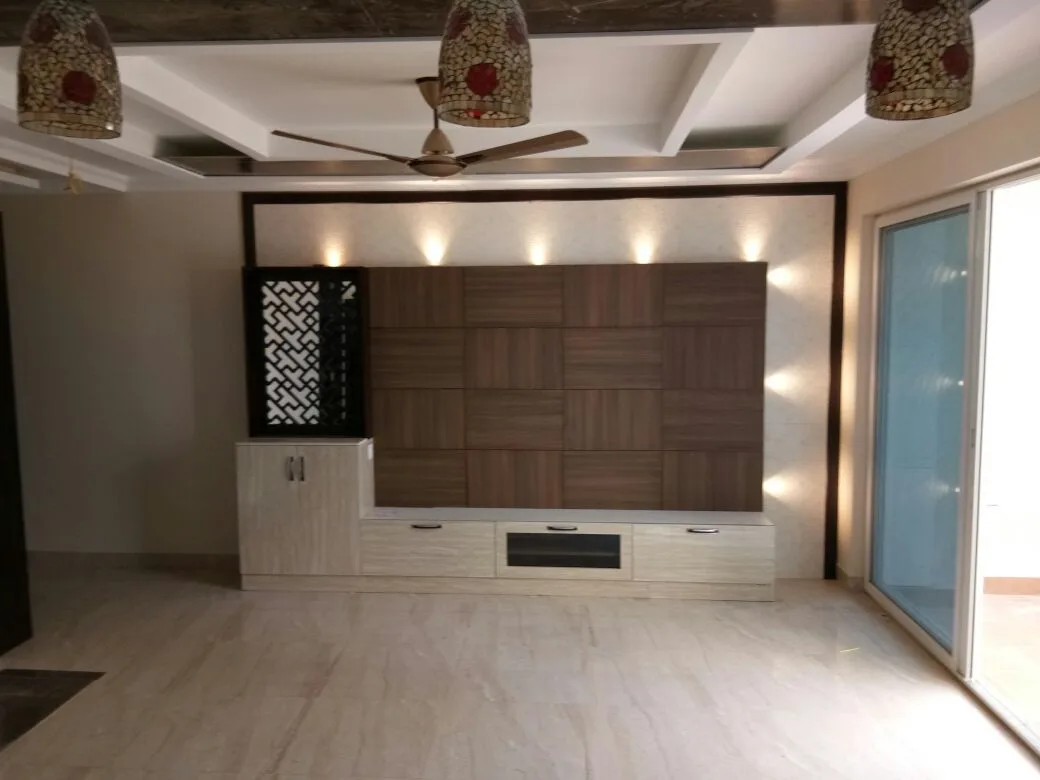
Defensive Engineering: Hardware
The first things to fail in a beachfront apartment are the cabinet hinges and drawer channels.
- The Mistake: Using standard nickel-plated mild steel (MS) hinges. They will rust and snap within 12 months.
- The Solution: You must mandate Stainless Steel 304 (SS 304) hardware. SS 304 contains chromium, which forms a microscopic oxide layer that physically blocks salt and oxygen from reaching the underlying steel. While it costs slightly more, it is absolutely essential for coastal survival.
Defensive Engineering: Woodwork
Salt air carries high moisture. If that moisture enters your woodwork, the wood will swell and the laminates will peel.
1. Machine Edge-Banding is Mandatory
Inland carpenters often manually apply PVC edge-banding strips to cabinet doors using a hot iron and standard glue. In a salty, humid environment, this glue fails rapidly. All wardrobe and kitchen doors must be factory machine-pressed using PUR adhesives, which create an airtight, waterproof seal around the edges of the plywood.
2. The Core Material
For areas exposed to direct sea breeze (like balconies and beachfront living rooms), we strongly recommend using BWP Marine Plywood for structural frames. If the laminate gets slightly damaged, the waterproof phenolic resins inside the BWP plywood will prevent the core from rotting.
Maintenance Tips for Coastal Homes
Even with salt-resistant materials, routine maintenance extends the life of your interiors:
- Wipe Down Metal: Once a month, wipe down your SS 304 hinges and drawer channels with a lightly oiled cloth to remove any accumulated salt dust.
- Avoid Abrasives: Never use harsh scouring pads to clean acrylic or laminate finishes; micro-scratches allow salt and moisture to penetrate the protective wear layer.
Material Grades: Choosing the Right Plywood
Selecting the wrong wood grade for a specific area is the primary cause of premature interior failure. Here is the full hierarchy:
| Grade | Standard | Water Resistance | Best Used For |
|---|---|---|---|
| BWP (Marine Ply) | IS 710 | Boiling water — no delamination | Kitchen sink cabinet, utility storage, bathroom vanities, wet-wall units |
| BWR Plywood | IS 303 | High humidity + splashes | Kitchen wall cabinets, dining crockery units, dry overhead storage |
| Commercial / MR | IS 303 (MR) | Humidity only — no direct water | Bedroom wardrobes, TV units, study desks |
| HDHMR | None of its own; some are certified as HMR-grade MDF (IS 12406) | High moisture resistance | Wardrobe shutter doors, kitchen shutters (high-gloss / PU finishes) |
| MDF / Particle Board | IS 12406 (MDF), IS 3087 (particle board) | Poor — swells permanently | Low-wear vertical partitions only; avoid in kitchens entirely |
Our practice: BWP IS 710 for any unit within 1 metre of a water source. BWR IS 303 for wall cabinets above the splash zone. Commercial MR for all dry rooms.
Written by Gogineni Kalyaan Kumar
Kalyaan is Principal at AlcorOne Solutions, the interior contracting firm he co-founded in 2022. He has overseen 80+ turnkey residential, villa, and commercial fit-outs across Chennai, Hyderabad, Bengaluru and Vizag, with a focus on itemised BOQs, heavy-duty modular execution, and durable interior systems built for South India’s climate.
Sources & references.
Standards and manufacturer references behind the material grades and compliance points in this guide:
Frequently asked questions.
Are sliding wardrobe channels safe from salt?
Only if you buy premium, anodized aluminum tracks. Cheap iron tracks will rust, causing the heavy sliding doors to jam or derail.
Will the salt air damage my TV or electronics?
Yes, salt corrosion affects PCBs (Printed Circuit Boards). While designing TV units, we often incorporate closed, ventilated cabinets for expensive receivers and gaming consoles to minimize their exposure to direct sea breezes.
Can I use exposed metal (like brass or copper) for decor?
Bare brass and copper will tarnish extremely fast in Vizag. If you want a metallic look, ensure the metal has a high-quality, baked-on clear lacquer coating applied at the factory.
How are AlcorOne projects paid for?
Projects require an upfront deposit of 20% of the total contract value before work begins, adjusted against the final invoice. The remaining payment is released in milestones tied to project progress — material procurement, civil and carpentry completion, finishing and handover — and the exact milestone schedule is agreed in writing for each project, since it varies with project size, scope and site conditions. Anything not listed in the signed BOQ is out of scope until it is agreed in writing as a variation, costed and confirmed before execution. Published rates are exclusive of GST.
What warranty does AlcorOne give on its interior work?
Three tiers, stated separately because they cover different things and expire at different times. Ten years on the plywood carcass from the date of handover, against delamination, borer attack and manufacturing defect in the board — conditional on the grade specified in the signed BOQ being the grade supplied and installed. One year on installation and workmanship: alignment, levelling, fixing, edge-banding and similar. Hardware, fittings and appliances carry the manufacturer's own term, and AlcorOne registers that documentation in the client's name at handover and facilitates the claim. Not covered under any tier: water ingress originating from base-building or plumbing defects outside AlcorOne's scope; damage from misuse, unauthorised modification, or third-party work carried out after handover; and normal wear to finishes.
Designing an interior for a beachfront property is fundamentally different from designing an inland home. It requires a defensive approach to materials and precise factory execution.
AlcorOne understands coastal engineering. We mandate SS 304 hardware, PUR edge-banding, and marine-grade plywood to ensure your beautiful sea-facing home remains pristine for decades.
Building a sea-facing home?
We engineer salt-resistant, durable interiors using premium marine plywood and SS 304 hardware.